
Former Owners of Poquoson Property: Start With the Newest Grantee
Deed research runs in reverse. Locate the parcel's most recent recorded conveyance first. From it, pull the grantee, grantor, recording date and full legal description. That grantor becomes your next search. Log every Poquoson transfer in its own worksheet row so the Clerk or a title professional can verify each link in the property records chain.
| Chain step | Party direction | Record to copy | Question to verify |
|---|---|---|---|
| Newest transfer | Grantor → present grantee | Deed reference, date, legal description | Does the tract match the parcel? |
| Prior transfer | Earlier grantor → latest grantor | Earlier deed and index entry | Is the same land described? |
| Older conveyance | Repeat backward by named grantee | Instrument or book/page reference | Was land split, combined or renamed? |
| Historical link | Earlier jurisdiction or fiduciary | Old deed book, will or order | Which custodian holds the source? |
This worksheet format calls for real Poquoson references. No parcel's deed results, owner names or book and page numbers belong in a sample chain. Fill rows only from the Clerk's actual index. A directory listing or tax mailing address should never stand in for a recorded deed.
Walk the Poquoson Deed Chain Back to Former Owners
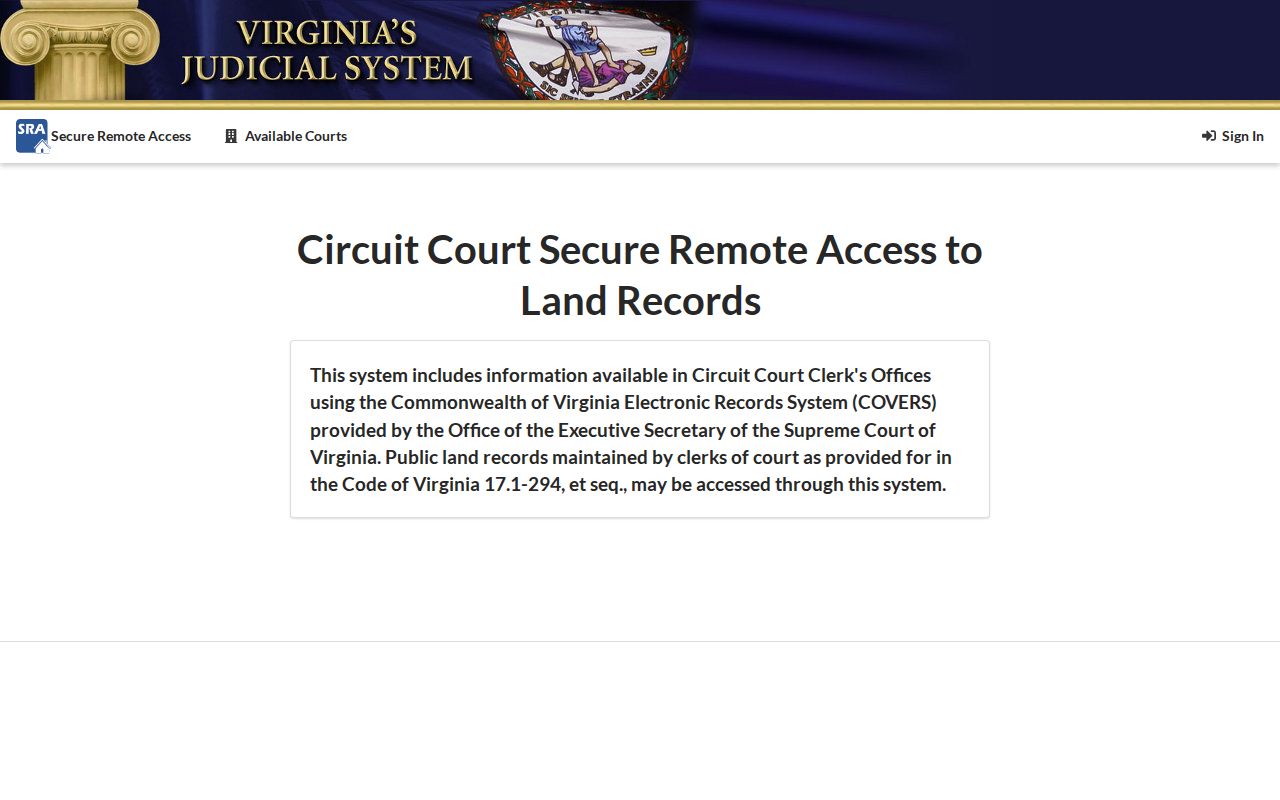
Virginia's remote land-record system, COVERS, opens circuit-court land records to the public. Begin with the newest deed into the current grantee. Note the prior grantor. Search that party as a grantee next. Compare the legal description, adjoining owners and plat reference on every result, because a same-name hit can belong to another tract and the land description is what keeps the chain intact.
- Locate the latest deed and copy its parties, recording date, instrument or book/page reference, and legal description.
- Search the grantor named on that deed as a prior grantee in the Poquoson index.
- Match the earlier instrument’s land description and any cited plat to the tract under study.
- Repeat, recording each source and any name or jurisdiction variation.
- When the online sequence stops, ask the Clerk which older books, microfilm or predecessor indexes to consult.
The Virginia land-record remote system is the entry point for searching Poquoson deed records online. Its landing page states that remote information is not the official judicial record. The page posts no cutoff or fee schedule. So a missing remote hit is not proof. It is a signal to ask the Clerk. Treat the public landing page as a starting point. Confirm any instrument in the official record before relying on it.
The chain affects ownership or a transaction. Ask the Poquoson Clerk to confirm the exact book, instrument and image.
Poquoson Deed Language for Former Owners
A grantor conveys an interest. A grantee receives it. The chain of title is the full sequence of recorded transfers and instruments tied to the land. Warranty and quitclaim deeds carry different assurances, while a deed of gift, partition deed or fiduciary deed can explain a transfer with no ordinary sale. Which deed types the current Poquoson index exposes is a question for the Clerk. Ask before assuming a category exists.
- Grantor
- The party conveying an interest in the instrument.
- Grantee
- The party receiving the conveyed interest.
- Chain of title
- The linked recorded conveyances for the same parcel.
- Reverse index
- A way to search a party in the role they held at a particular stage; confirm the system’s organization with the Clerk.
- Quitclaim / warranty
- Different deed forms with different conveyance language; read the document itself.
A deed of trust belongs to the lien trail. It is not part of the transfer chain. A release clears that security instrument, while a lis pendens, judgment, easement or plat may affect the parcel without changing the owner. Follow each document's stated role and its legal description in the Poquoson records.
Former Poquoson Owners Through Estate and Trust Transfers
A death can send land through a will, probate order, executor or administrator deed, estate sale or partition. A death certificate alone conveys nothing. Search the Circuit Clerk's probate records alongside the recorded land instruments. That pairing shows both the authority and the transfer. Connect the fiduciary deed to the parcel's earlier legal description. Public portions of probate files may be open, but sealed or confidential material stays restricted.
A trust may hold title through a trustee. So can an LLC or corporation. Virginia SCC entity records help explain a company name, but a registered-agent address is not ownership of this land. Return to the deed for the parcel-specific transfer. When heirs hold different interests, a partition or commissioner's deed can make the chain more tangled than one seller to one buyer.
Vital certificates are one thing. Recorded deeds are another. Certified death, marriage and divorce records sit with the Virginia Department of Health under its own eligibility rules, while local probate and conveyance records are separate from a state vital certificate. Ask each office about access rules.
Former Owners of Poquoson Property May Be Indexed Under York County
Poquoson belonged to York County before becoming an independent city in 1975. That jurisdiction shift is a central clue for former-owner research. Search the predecessor grantor or grantee in York County-era indexes. Ask the Clerk which books apply. Keep locality, book reference and date on every worksheet row.
An old transfer may describe a farm, creek, marsh or adjoining owner. It may not give a street address or map number. Poquoson history preserves earlier road names. These include Poquoson Avenue, Forrest Road, Hudgins Road and Wythe Creek Road. Check the relevant segment and period. Plat references and legal descriptions bridge old and current naming.
The city's earliest local anchor is the 1631 Calthrope land grant. That grant points toward historical jurisdiction research. It promises no simple chain for every modern lot. Compare old books, plats and neighboring descriptions. Record every uncertainty clearly in your notes so later steps stay honest.
Poquoson Museum Clues for Former Owners
The Poquoson Museum and Historical Society published a photographic history of the city. It was built on about 200 images. Its pictures and exhibits can reveal an old farm, store, shoreline trade or vanished place name. That kind of clue is not the deed itself. A museum lead works best when it produces an alternate street, a property name, or a rough period. You can then test that against the Clerk's deed indexes.
Weston Cemetery shows how this pays off. Locals long said "Western." Yet deeds record William Weston's condition that later property carry the Weston name. A marker tied to Martha Holloway Parsons, who died in 1798, was later reported missing. Spellings shift. Keep every variant and the original deed language rather than trusting one modern label. The museum's site itself is a local-history resource, not ownership evidence. Follow each historical lead back to a clerk-held instrument before naming a former owner.
The Poquoson Public Library may hold directories, local newspapers, obituary files, historic maps, and reverse directories. Ask the staff directly, since exact holdings and years vary.
Find Former Owners in Poquoson Deed Books and Archives
When the remote search hits a wall, call the Poquoson Circuit Court Clerk. Ask about older deed books, indexes, microfilm, and copies. The city's public page gives no earliest coverage year. It gives no imaging date and no copy schedule. The Library of Virginia is the state archives route for catalog and historical deed research. Its archive portal can point you toward a collection. Virginia Memory and FamilySearch catalog entries may help too. But confirm actual Poquoson coverage before trusting any year or image. Search by locality, predecessor county, deed-book series, and party name. Then ask the Clerk to validate the instrument reference. The archive portal alone does not prove a particular Poquoson volume is digitized.
Old newspapers, city directories, and museum images can identify people and addresses. A directory places a name at a location. It still does not replace the deed that conveys the land.
Family Names and Historic Places Can Unlock a Poquoson Search
Poquoson's local history calls Messick Point an area once known as Boar Quarter Point. Around 1800, Zadock Messick arrived from Maryland's Eastern Shore, set up a home and business, and the spot later gave its name to the Messick Post Office district and the seafood trade there. When a modern street number is missing, search old conveyances by point, creek, farm, and neighboring names. Confirm the tract first. Only then tie an individual to the current parcel.
Dryden Farm offers another lead. On December 23, 2003, the Poquoson Museum Foundation acquired a roughly 15-acre tract on Poquoson Avenue with Topping Creek frontage, a circa-1910 farmhouse, a circa-1940 Miss Becky's Store, and farm buildings. Museum records explain the site's story. The land record confirms the transfer and legal description. One more caution: names repeat across generations in a small community. Separate people by spouse, fiduciary role, address, date, and land description. Never assume two matching surnames mean the same grantor.
Know the Limits of Former-Owner Research
A deed chain records conveyances and related instruments held by the custodian. It does not show every occupant, informal family arrangement, unrecorded interest, or full title condition. The Poquoson online cutoff is not stated. Older jurisdiction history can split a search across custodians. A missing web result is not proof. A former owner or conveyance may still exist on paper.
Research boundary. Use former-owner records for title work, local history, estate questions and property due diligence. Do not use a person’s name or address to stalk, threaten or harass them.
For a purchase or legal dispute, ask the Circuit Court Clerk to confirm a recording, and have a title professional examine the full chain. Use a surveyor for a line on the ground. For historic interpretation, cite the contextual source and the recorded instrument together, so readers can tell which evidence supports each claim.
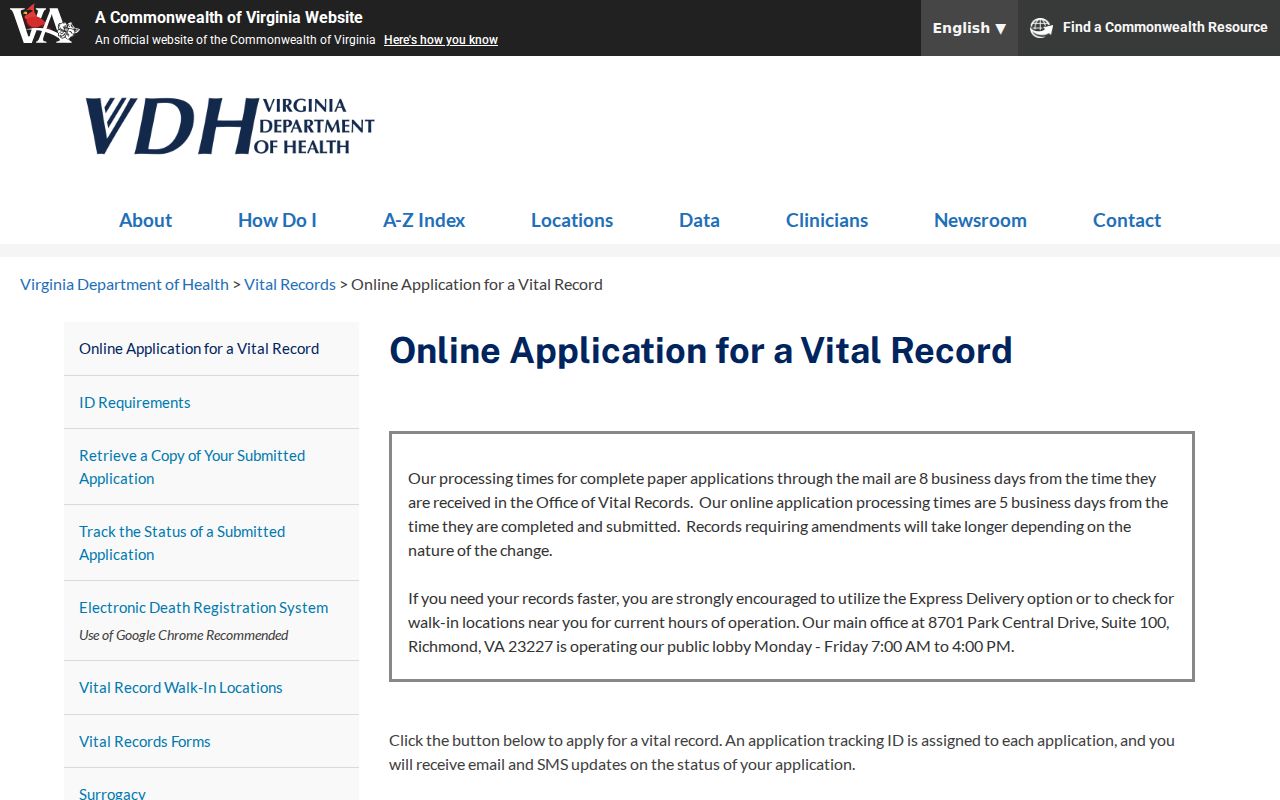
For a certified event record, use the Virginia Department of Health application page. That route covers vital records, not land transfers.
Note: A will, fiduciary deed, or court order must still connect the estate event to the parcel.